The Resilient Table: An Extract From Harrison Gardner’s Latest Book On Food Resilience
Food resilience isn’t just about what’s in your cupboard. It’s about your relationship with food, how it arrives in your home, what you know to do with it and, crucially, how long you could manage if the systems that support it stopped working.
Right now, most of us live at the furthest point ever, in history, from our food sources. Your avocado travelled from the southern hemisphere, your rice from India. Your tomatoes, canned in Italy, were grown in Spain.
Before it reaches your plate, even a simple lunch has likely passed through dozens of hands, machines, processors, packaging plants and trucks. The global food system is a marvel of coordination. But like all complicated systems, it’s also fragile.
Any disruption – a storm, a fuel shortage, a political crisis, a cyberattack – and the whole system feels it. Shelves empty quickly. Perishables disappear first. Even local food producers often rely on imported feed, fertiliser or packaging to keep things running.
“Food is one of the most empowering places to begin building resilience.”
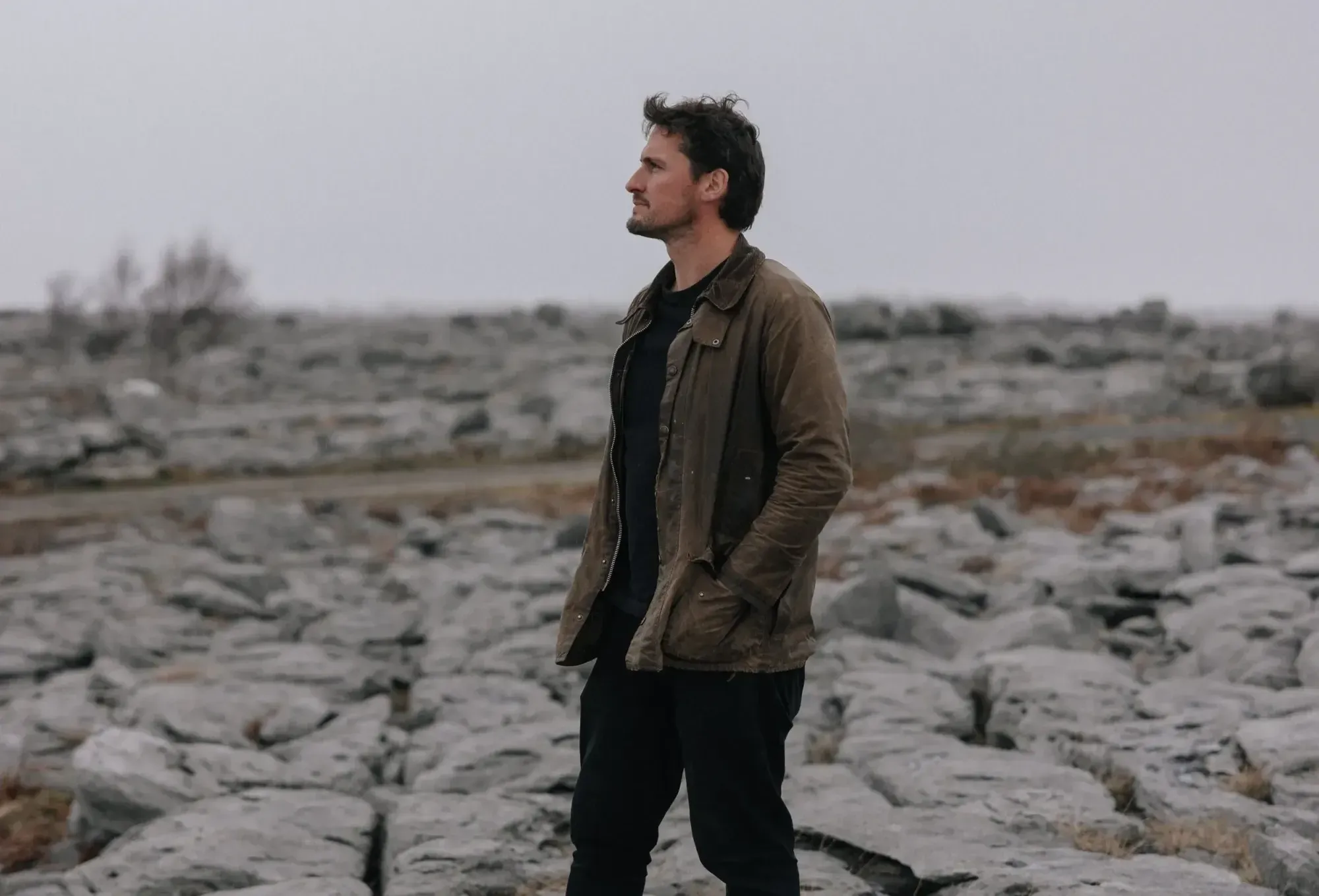
That’s the vulnerability. But here’s the opportunity: food is one of the most empowering places to begin building resilience. You don’t need to go off-grid or grow everything yourself. But you might need to gather a few skills and be open to a shift in mindset.
Can you cook? Can you stretch a meal? Do you know how to turn dry staples like rice, beans, lentils or flour into something nourishing, and maybe even delicious? Can you confidently switch one missing ingredient for another? Do you know where your food comes from? Could you get closer to it?
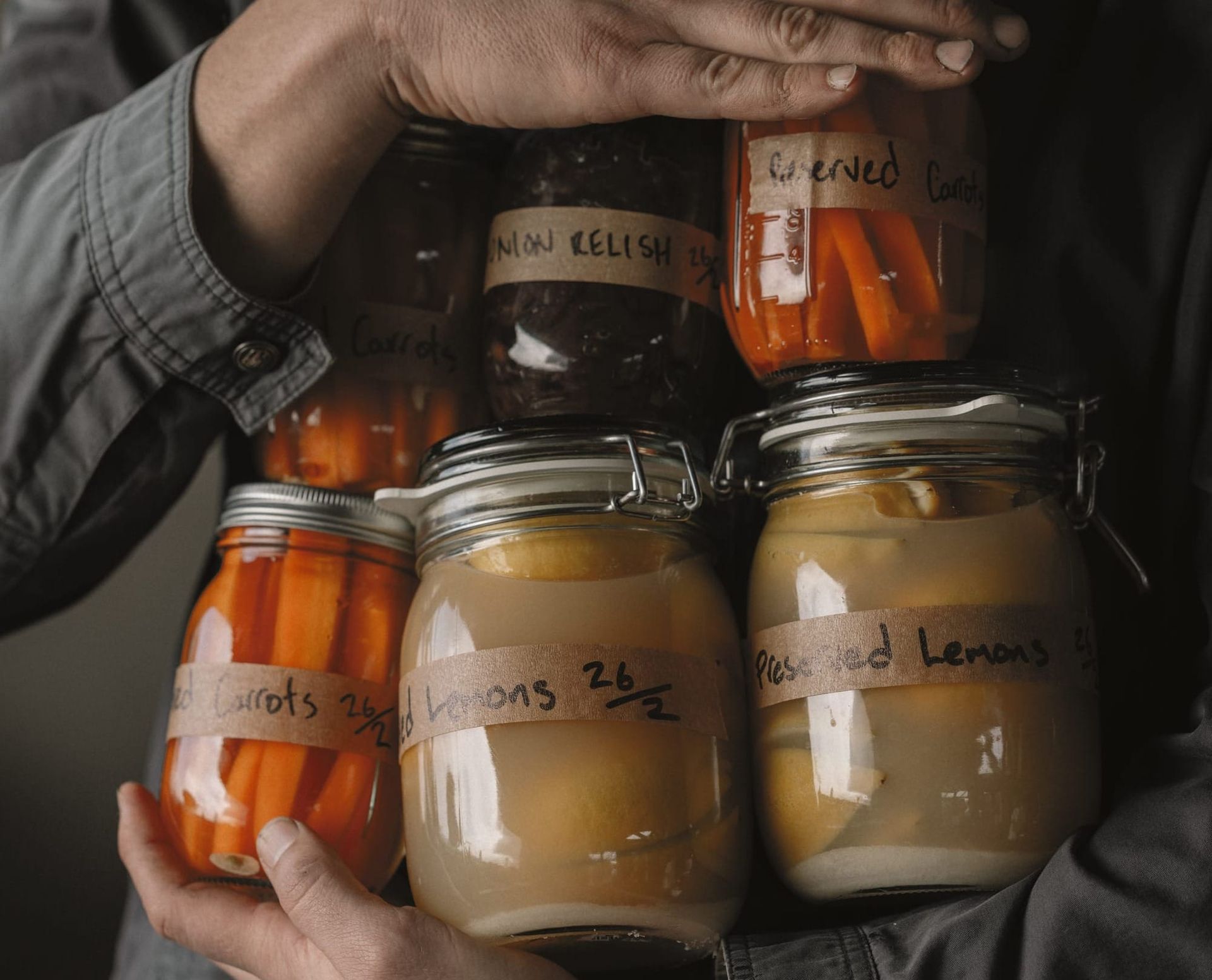
Growing a little, even just herbs on a windowsill, reconnects you to the time, effort and attention required. Preserving food teaches foresight and eliminates waste. Cooking teaches adaptability. Eating together is how we pass our culture of food down.
When all the systems are working, it’s easy to outsource food entirely. But when they aren’t, whether it’s a global crisis or just a tough month, being able to feed yourself and your family becomes one of the most powerful, grounding skills you can have. Food resilience begins here. In the soil, on the chopping board, around the table.
Delivered straight to your inbox every month.