This National Bee Day, Meet Vickie and the Beehives
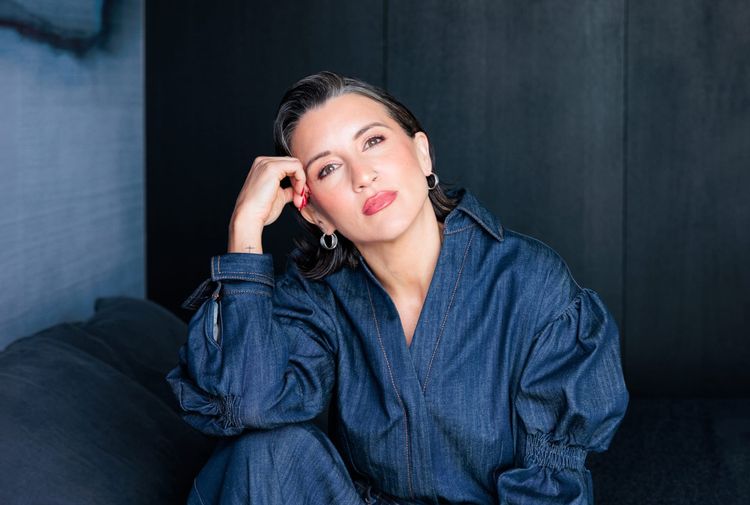
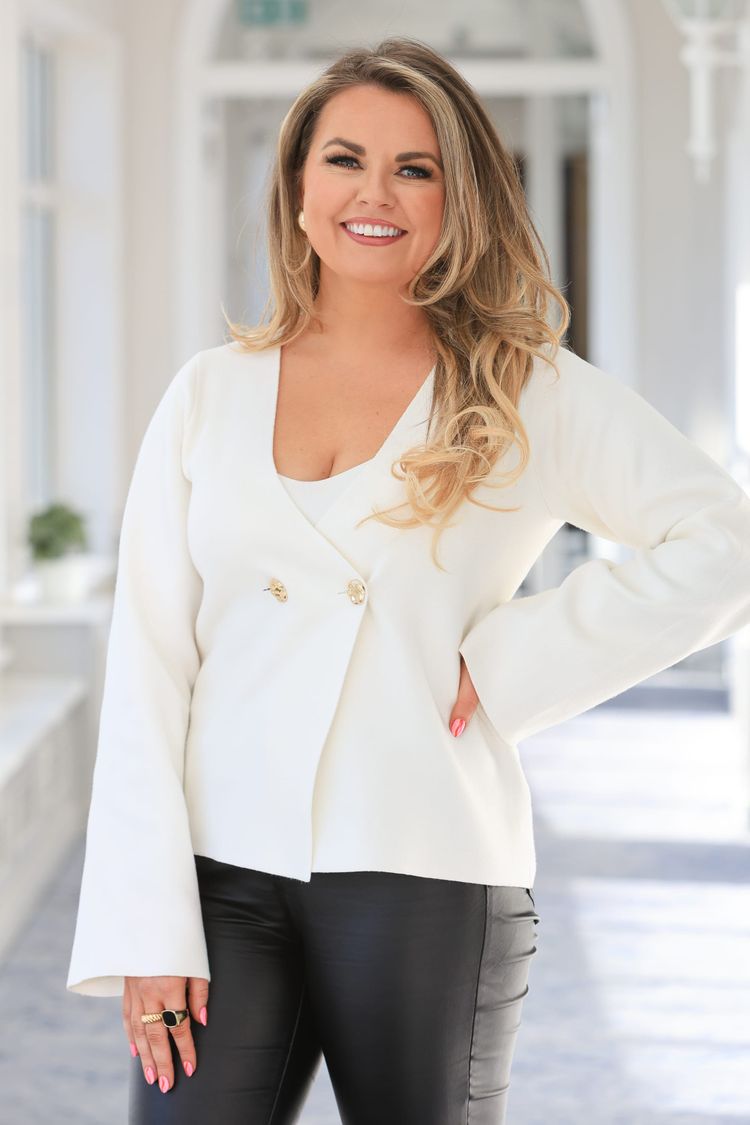
Now working full time in the Zoology department at University of Galway, and as Beekeeping Advisor for the National Apiculture Programme, Vickie is both bee academic and aficionado. For this National Bee Day, we caught up with her to get the buzz on chemical-free beekeeping, “No-Mow May”, and why bees are good for your mental health.
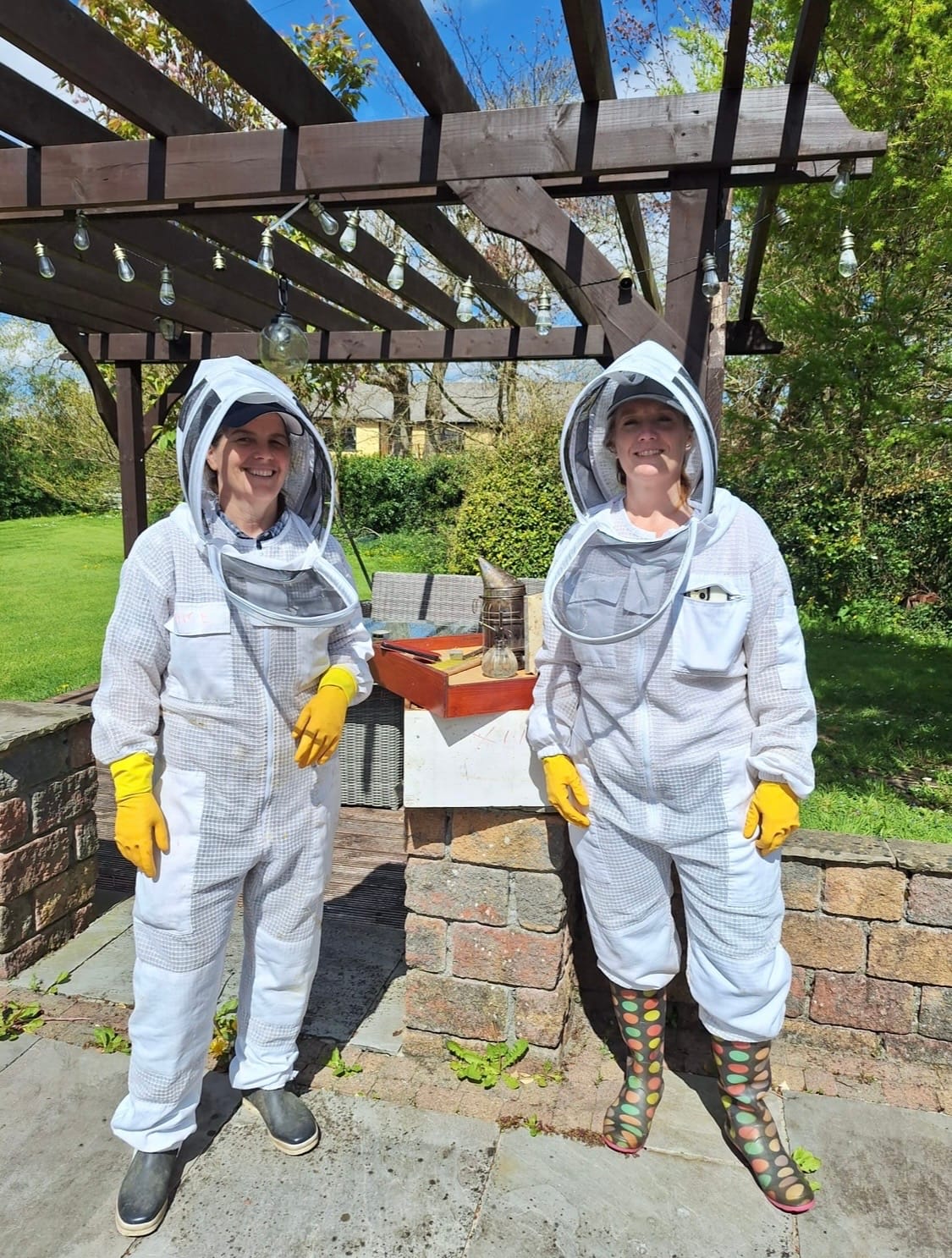
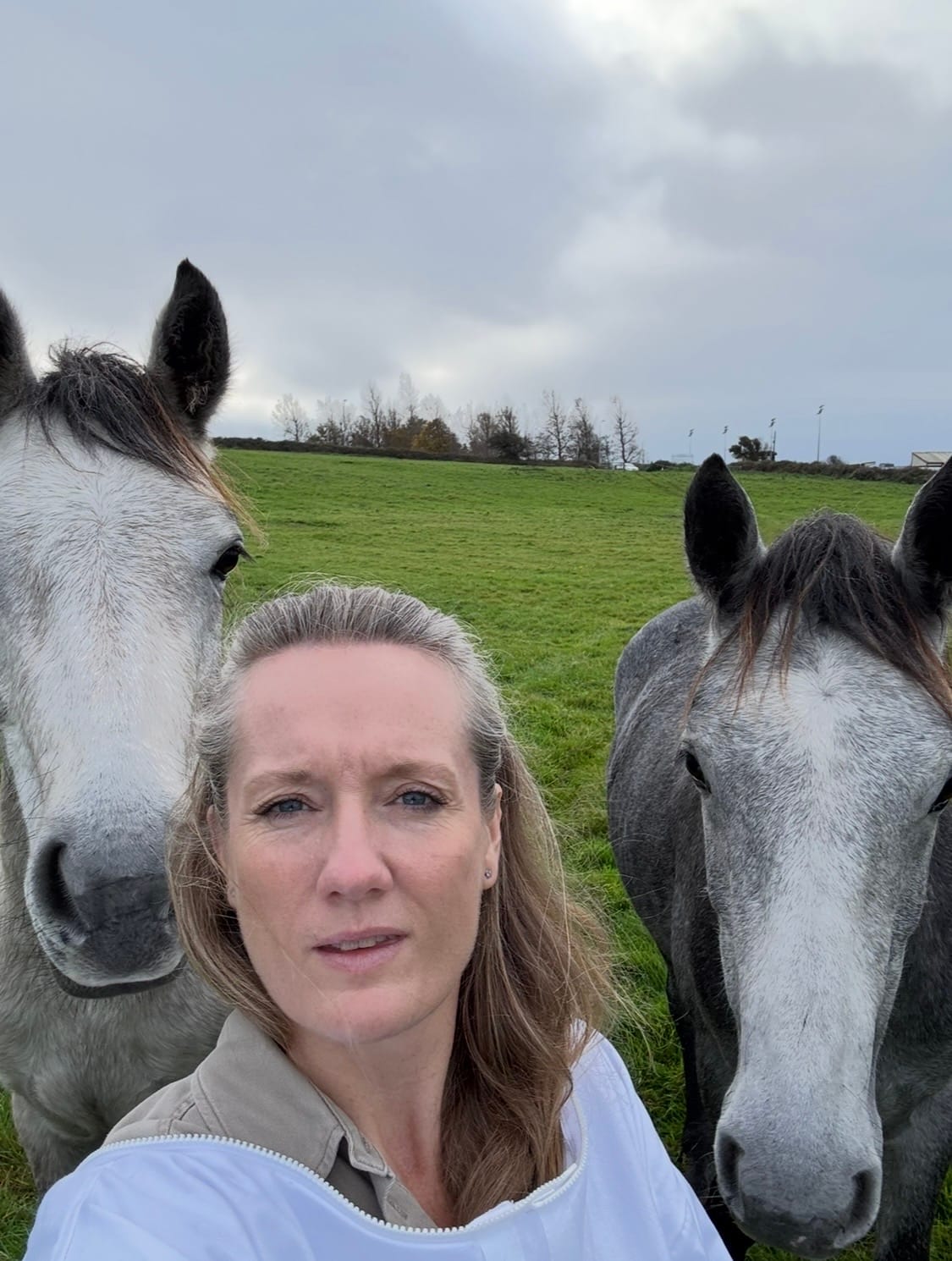
How did your journey into beekeeping begin?
Almost ten years ago now I was gifted a beginner’s bee course as a present. I really enjoyed it, but I realised it was just the tip of the iceberg! There’s so much to know and I was so eager to learn, so I was constantly looking for more information.
It just so happened that a friend is a scientist and professor in the School of Natural Sciences at University of Galway, professor Grace McCormack. She was involved in Tribes Beekeeping Association in Kilcornan, and we went on a couple of apiary visits together. When Grace mentioned there was going to be a two year diploma at the university, I was like okay, I’m up for that! I graduated in 2023.
What does your work with bees look like?
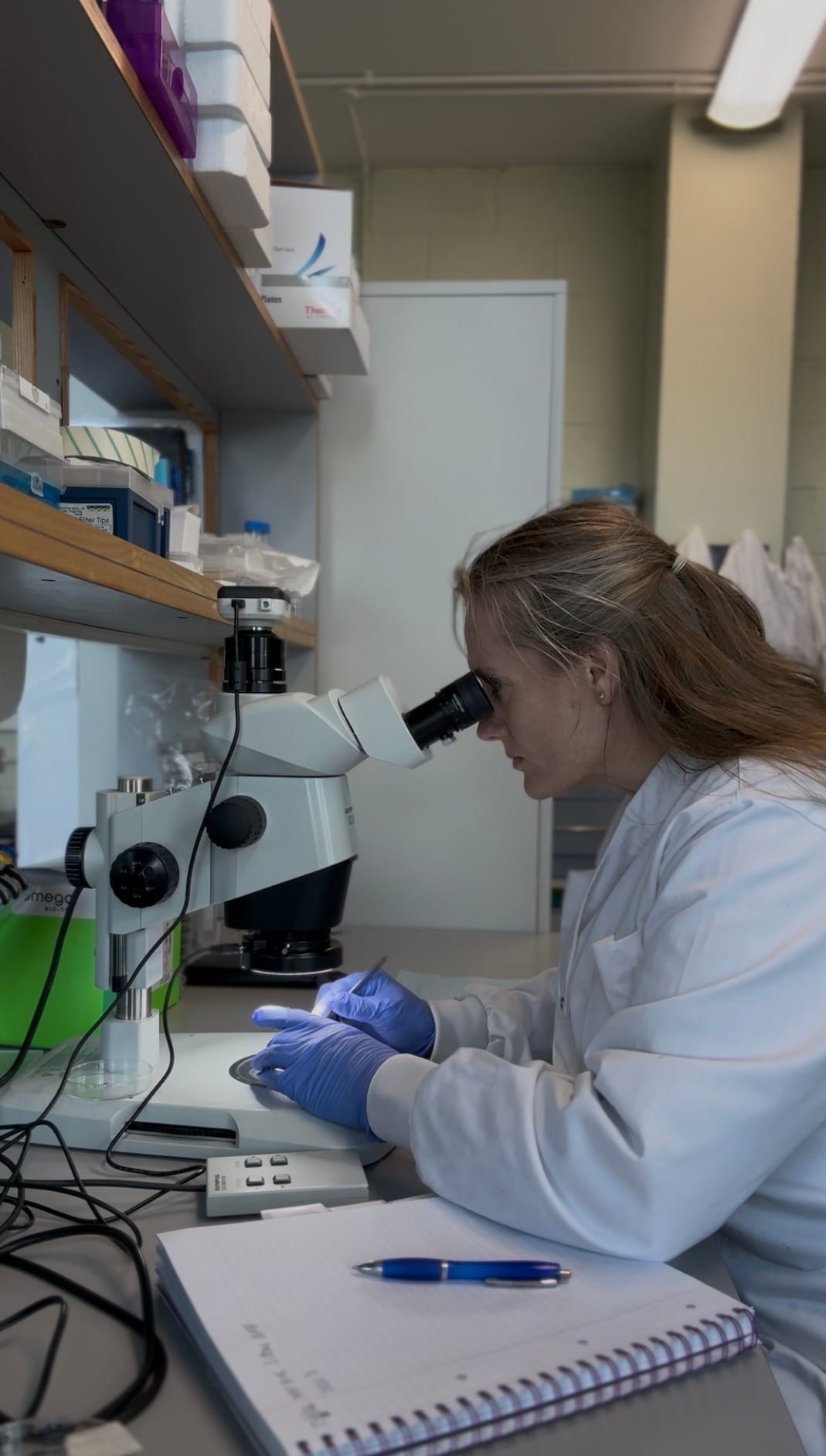
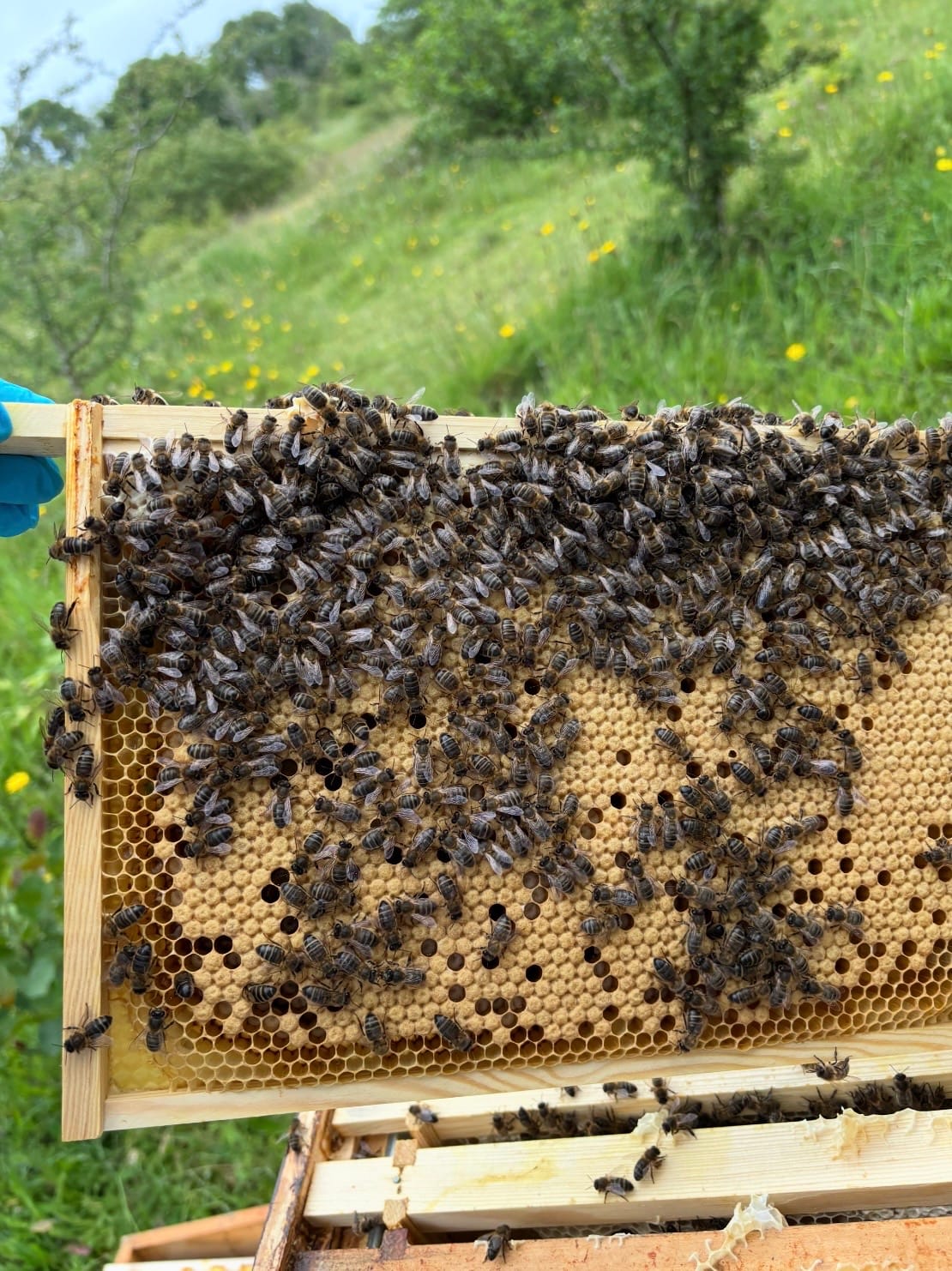
As a beekeeping advisor to the National Apiculture Program, I keep beekeeping organisations around Ireland informed on our latest findings. I also visit bee colonies and sample their comb to send off to diagnostics – they let us know what diseases and pathogens they've got. If it’s a notifiable disease, that can spread quite quickly, so sadly we have to euthanise them, but it’s for the greater good.We also do a thing called Free Bees, it’s the first of its kind in European studies. We're partnering up with Poland, Sweden, Portugal, and a couple of others, and we're monitoring free living honeybees! We go around to places like Coole Park and just look in trees. I have about 20 colonies throughout the county of Galway that I visit on a fortnightly basis and observe.
We’re trying to prove that there are free living bee colonies, and that bees have survived for thousands of years without human intervention. We’re very lucky on this island to have our own native honey-bee, and I’m very passionate about protecting them. Some beekeepers import bees from other countries, as they might produce honey more efficiently. But they haven’t adapted to our environment, and they hybridise our honey bee and dilute its genetics, which is quite worrying. At the moment we’re trying to push for a ban, which people can help with by contacting local TDs.
Tell us about your own beekeeping.
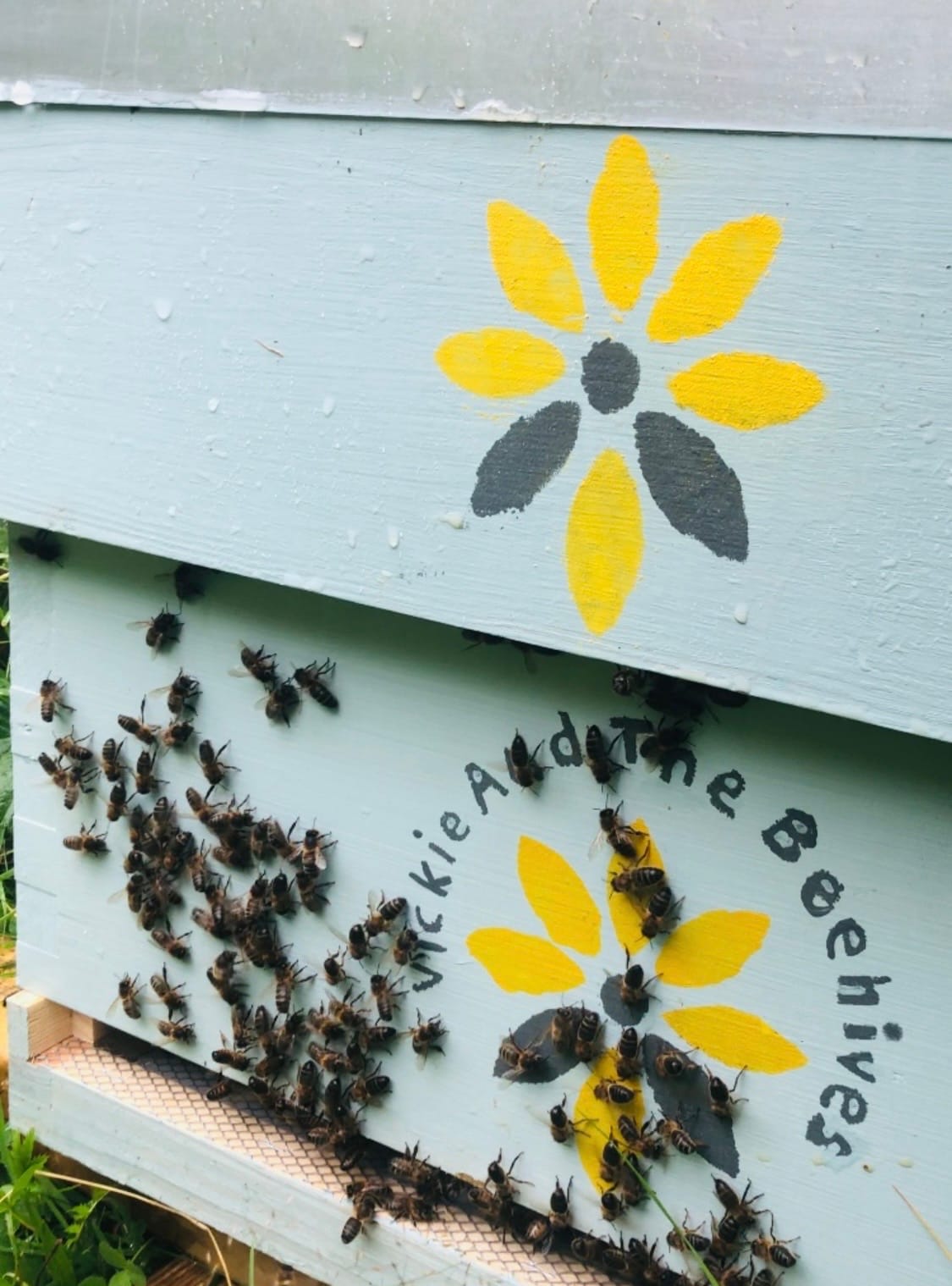
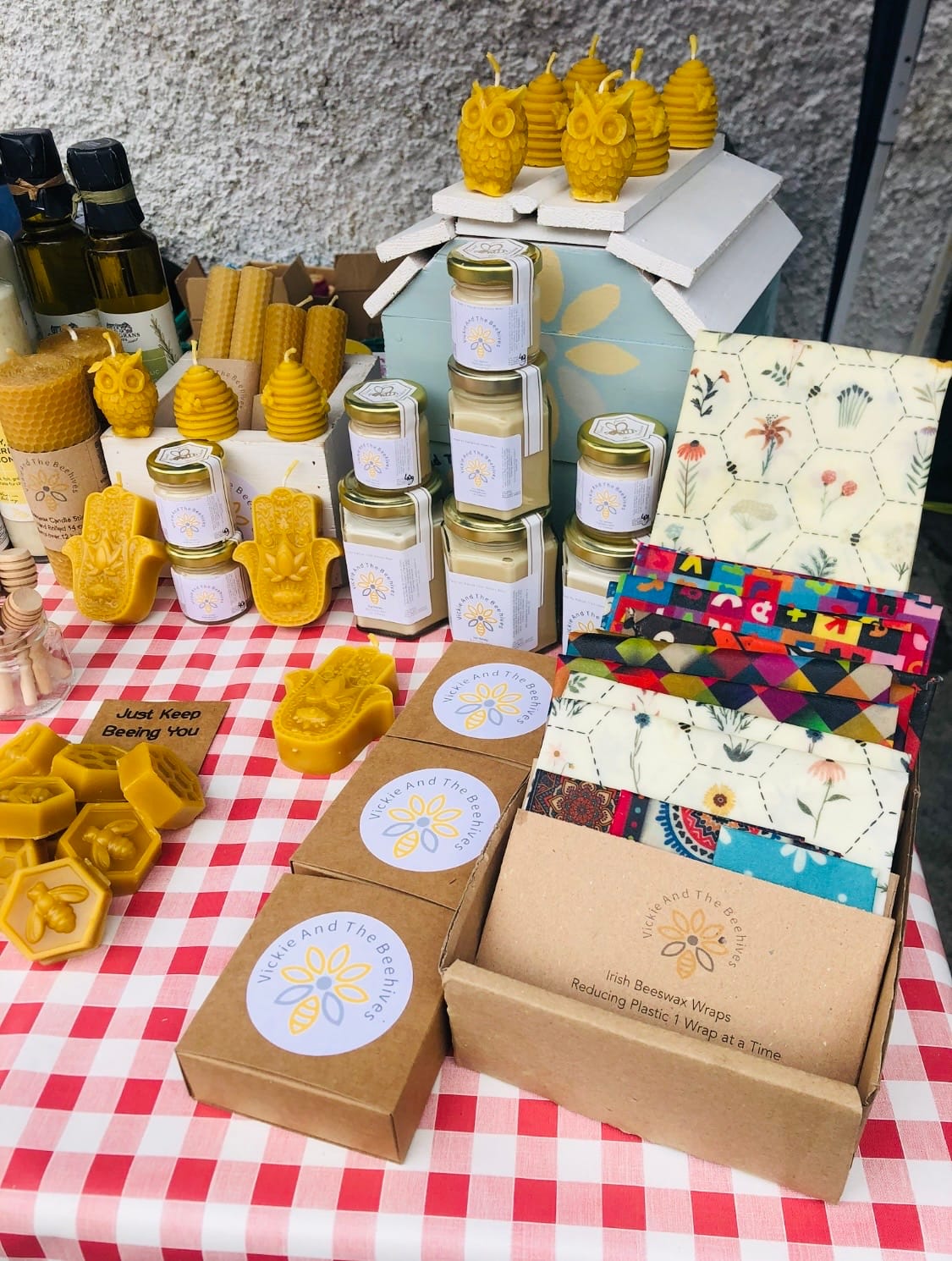
I have my own bee business, Vickie and the Beehives! I live in South Galway, near the Burren, and I have my own bees there. I personally don’t use chemicals on them. I prefer a holistic approach, or some call it Darwinian beekeeping. I'm a small artisan producer, so I have people who come to me now for honey products. I have done the Kinvara markets, and the tiny traders market in town, and I also supply in Gran Gran's in Kilcolgan. I do limited drops at my website and on Instagram.
What’s your favourite thing about working with bees?
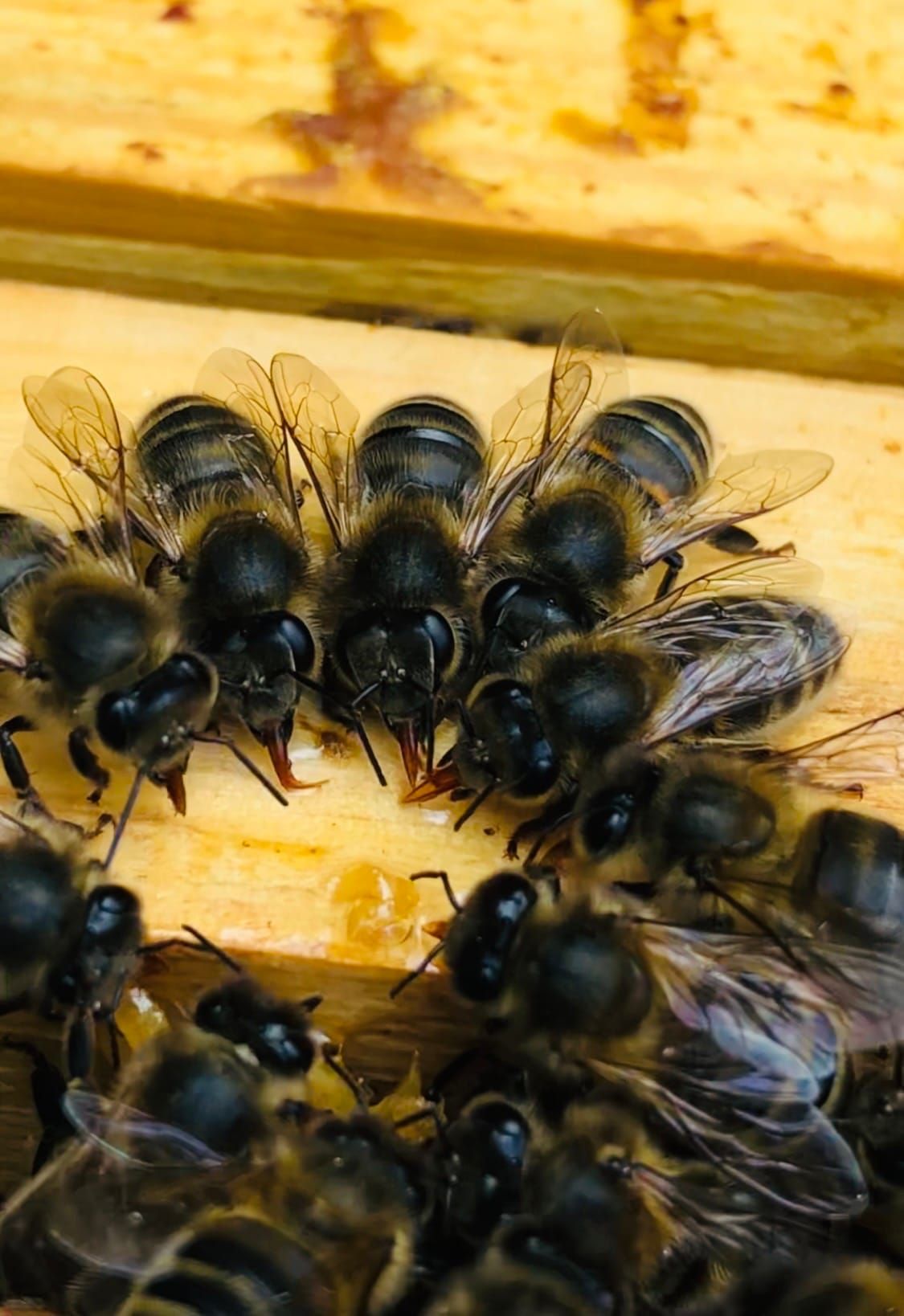
When you’re with bees, you slow down. You have to be so present, so focussed when you’re dealing with them, that there’s no time to think about cooking dinner or going to the dry cleaners. You’re just thinking about opening the hive, observing, not causing any harm to them when you go in. They say beekeepers live longer because of purified air. And there’s also the frequency bees emit, it’s a bit like white noise. You’d imagine that being near bees would be really loud, but actually has a calming effect – I come back from the hive feeling a bit zen.
How can people get involved to help with bee conservation?
The beauty is that anyone can become a citizen scientist themself if they notice they’ve got honey bees nearby or on their property! All they have to do is contact the Galway Honeybee Research Center, you’ll see online they have a link to the National Biodiversity Centre with all of the wild bee honey studies. You just log the info on where the hive is, and how long it’s been there, and we’ll get in touch with you. We might monitor the hive, or you could even become a custodian for us, where a few times a year you just let us know how the bees are getting on.
Another thing you’ve probably heard of is “No Mow May”, where you leave a patch in your garden to grow. I think it’s a great initiative, and people have good intentions, but really it’s a shame that if you leave an area to grow and attract lots of pollinators, then mow it down just a few weeks later, you’re taking it away from them in a short time frame. What I recommend, if you can, is to leave a small area in your garden to grow until the end of summer. That’s much better, because by the end of the summer the pollinators are dwindling down again.
Mostly, I hope people know that when enough people come together, it makes a huge difference, and it starts with you. When you think of a honey bee, its this tiny little thing that collects nectar and brings it back, and it has this enormous effect. It’s the thought behind one of my favourite quotes; "anyone who thinks they’re too small to make a difference has never met the honey bee."
Delivered straight to your inbox every month.