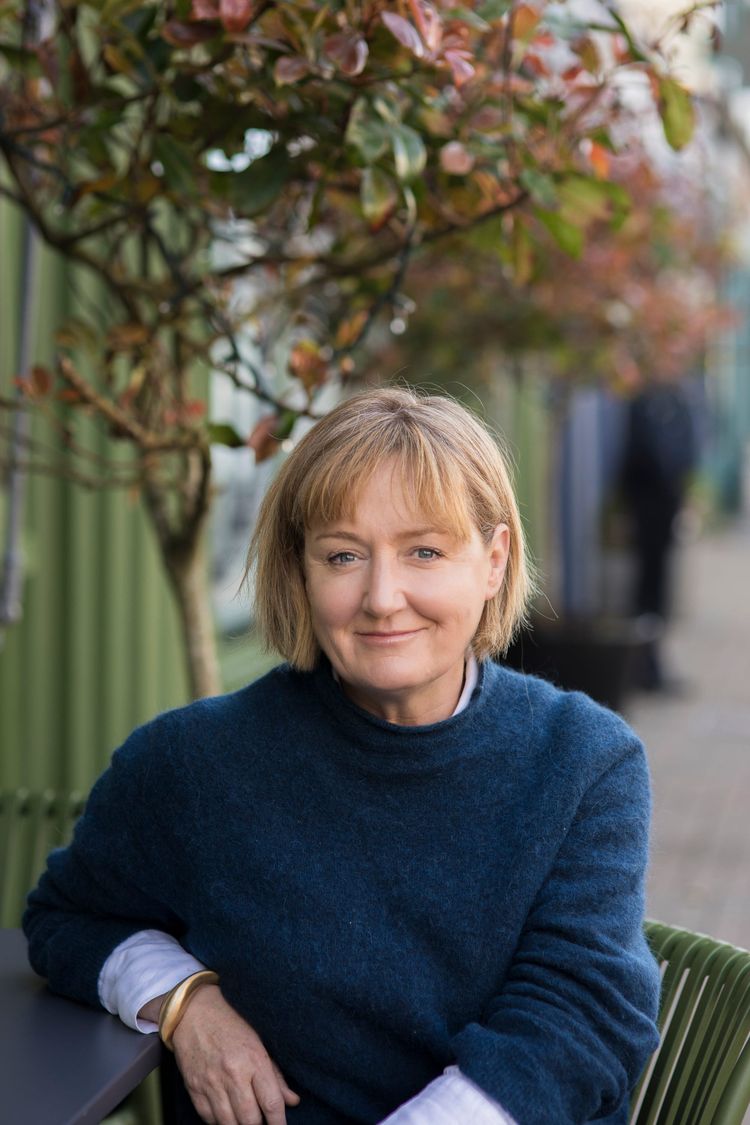
Meet star of stage and screen, Galwegian actress Clare Barrett
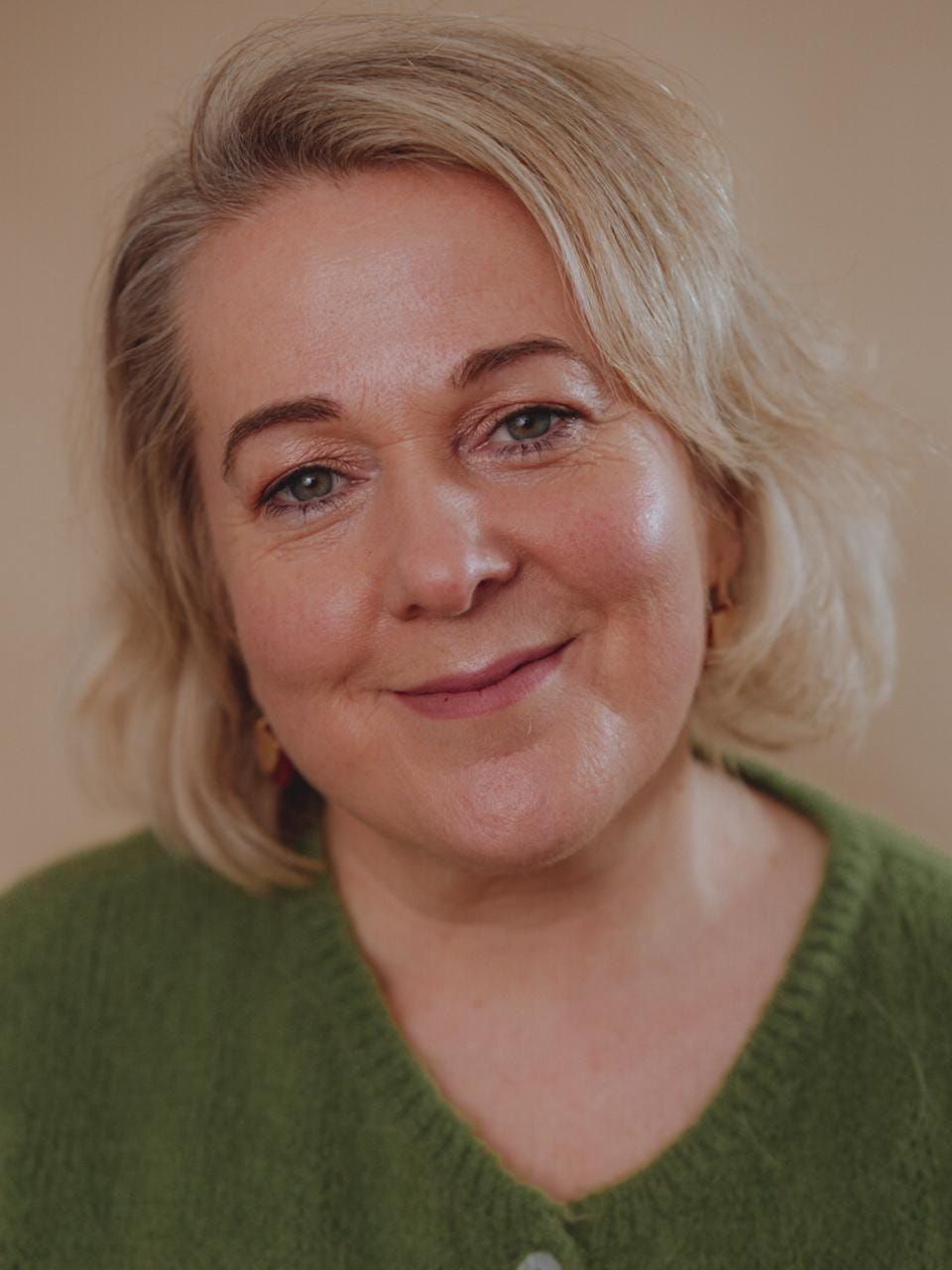
Clare has one of those careers that makes you wonder how one person fits it all in. From Druid Shakespeare to horror film Fréwaka, from one-woman shows that toured the world to a forthcoming role in Element Pictures’ The Lost Children of Tuam, the Galwegian actress has done it all and brilliantly too.
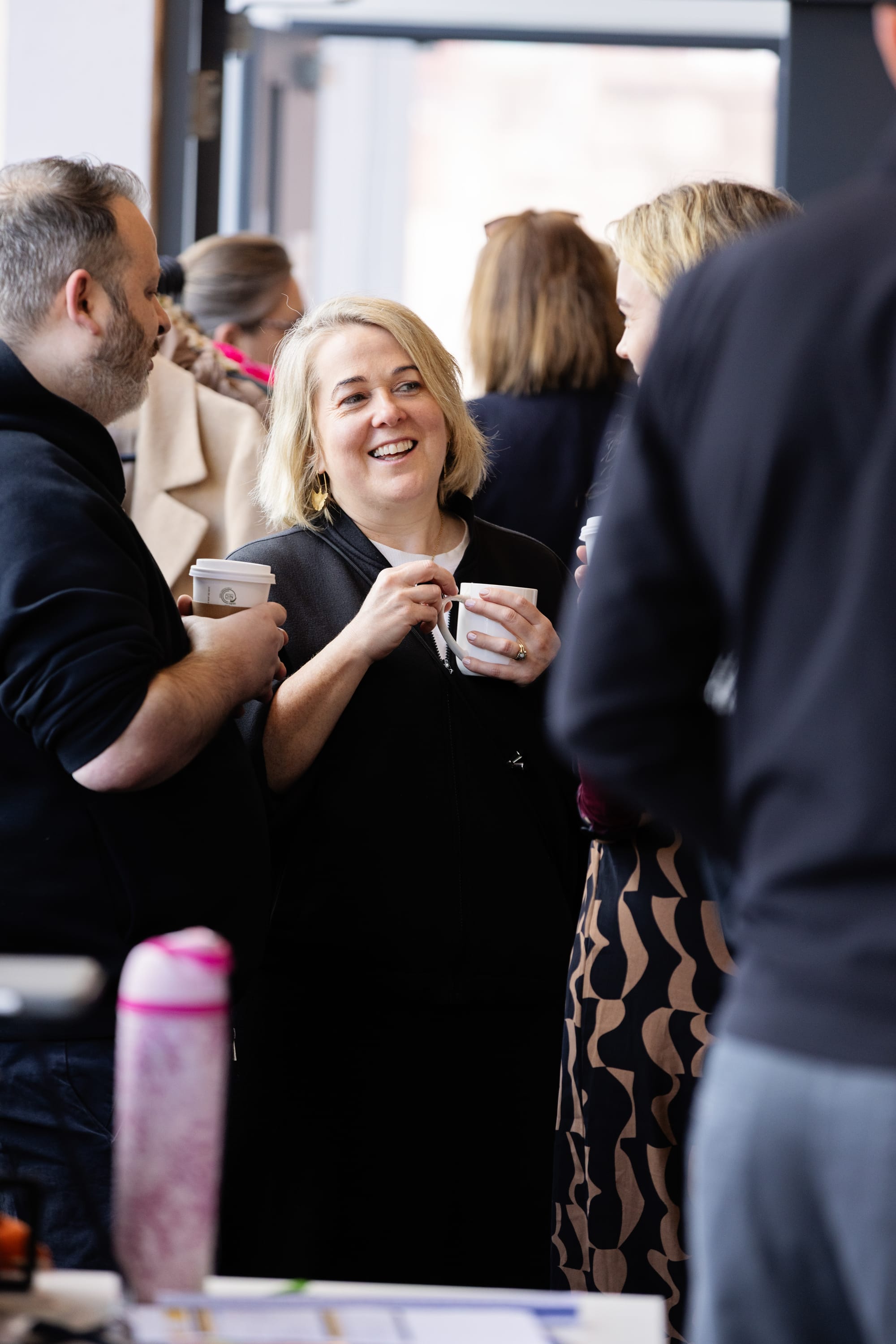
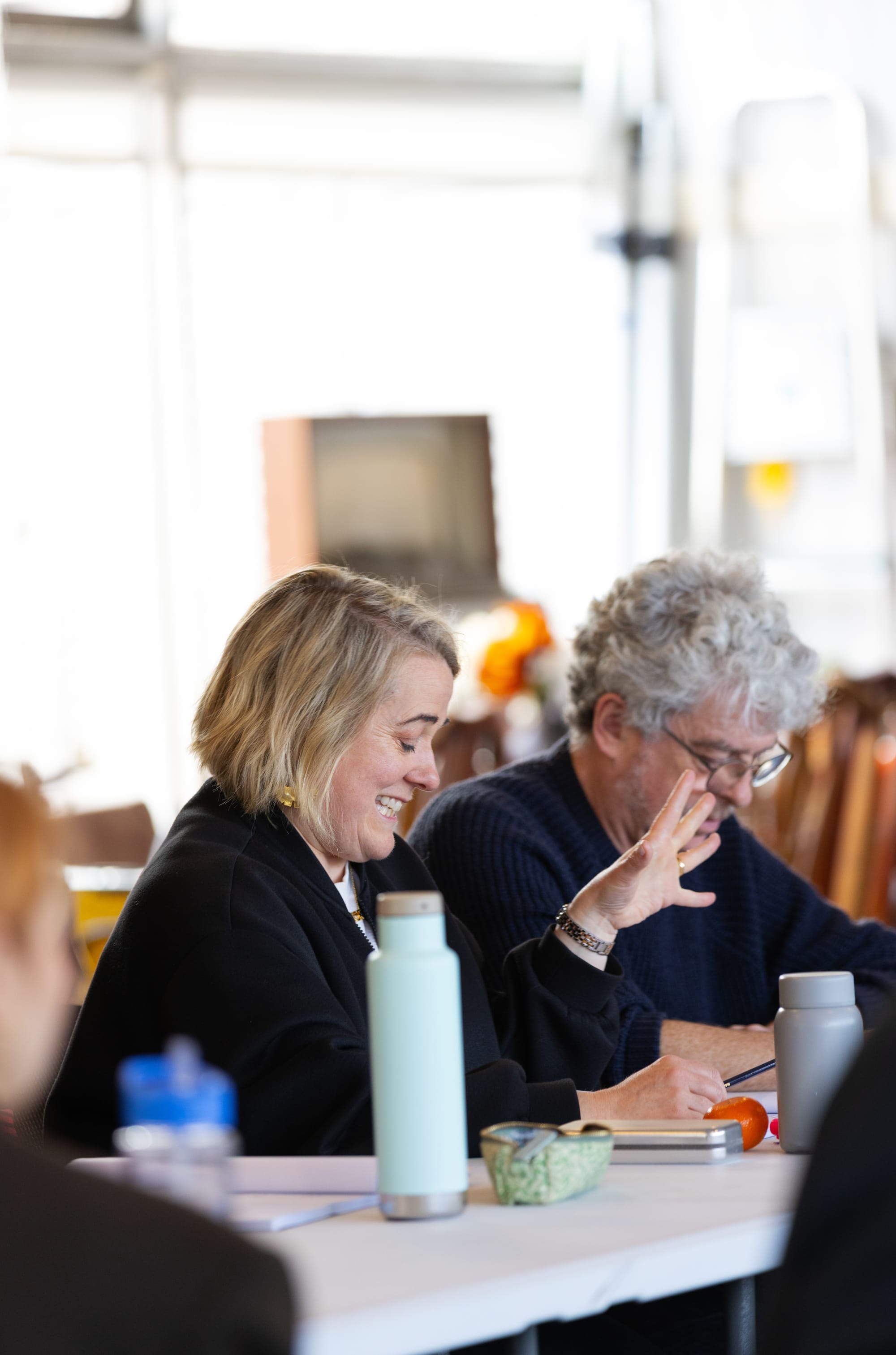
Photography by Ailbhe O’Donnell.
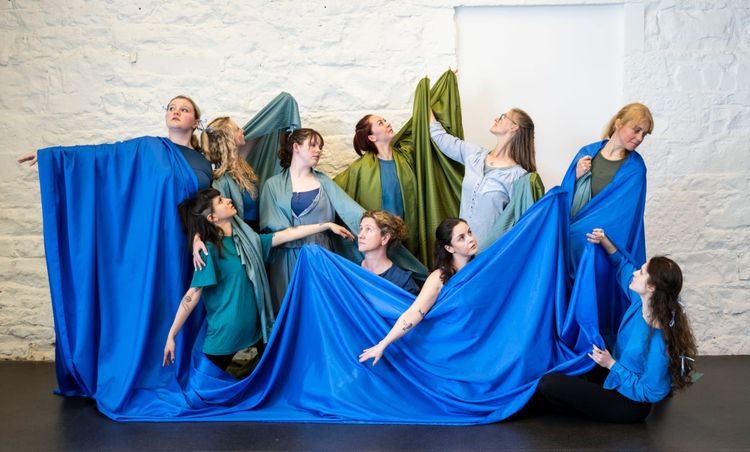
Now she’s back on the Abbey stage, playing the doting, scene-stealing matriarch Mrs. Geoghegan in Annie Ryan’s bold reimagining of The Whiteheaded Boy by Lennox Robinson, running 3rd June to 25th July.
We caught her mid-rehearsals to talk Galway, the Irish mammy and what it means to see yourself on stage.
Tell us a bit about your roots growing up in Galway, and how you found your way into acting.
I grew up in Renmore, and I lived in Galway until I left to go to university at the age of 18. So all the formative years were in Galway. My mam was great for bringing us to things. Outdoor theatre was a huge thing and the fact that this small town on the West of Ireland was host to it, in a time when there wasn’t as much foreign travel, to see these big theatrical performances was just absolutely mind-blowing.
Renmore as a place was great for community arts. Through that I met various directors who encouraged me and said, you could make this a profession. But it did seem very far away; I had no real experience. My poor mam and dad were a bit nervous about it.
I actually took a very long way around, too. I went and trained to be a nurse and when they made me permanent, I decided, no, I have my own money now, I’ll go back. And I went and studied acting for three years.
You’re playing Mrs. Geoghegan – the doting matriarch – in The Whiteheaded Boy. What drew you to the role and what can audiences expect from this production?
The Whiteheaded Boy is quite an old play, maybe 100 years old, but when you read it, it’s very fresh. Annie has been working with the Abbey and we have moved it to the 1980s – it’s still in a rural Ireland that’s not a modern Ireland, but it’s a time that I remember. There was a lot of progression that happened a bit later for us.
Annie has a very particular style that’s very physical and comedic and I thought she was the perfect match for it. She’s looking at it now through a modern lens; if you were to lash up a play from that time where the women are probably a little underwritten, we’re making sure this production goes, oh god, look at that poor girl. And as a nation, we can laugh. You’re also seeing the seriousness of it, but this is very much a comedy, a very funny show.
Does the theme of Irish mammies doting on sons, while placing pressure on daughters, feel personal to you at all?
Not in my own family. My mam was quite unusual in that she was an an only child, so she was quite independent and free-spirited. But I did have a brother – unfortunately he passed away when he was a teenager – but I do remember, with my older sister, he could charm his way out of things that the rest of us couldn’t! But I did see it, of course, with neighbours and relations and friends. My grandmother was definitely of a generation where it would be, 'you do that for your brother now.'
That’s what Mrs. Geoghegan is like. She sees the boys first. And when you’re playing somebody, you can’t look at them with a negative intent. You think, that’s what she grew up with. She speaks with such love in one breath and then in the next breath is so dismissive. It's through cultural and societal norms she almost unwittingly ends up oppressing her daughters. But she does it to her sons too!
How are rehearsals going? What’s the energy like in the room?
It’s great fun. Annie is a great woman for keeping the physicality going, so we’ve been up on our feet since very early on, as opposed to sitting around tables overly discussing something. We’re working it out on the floor.
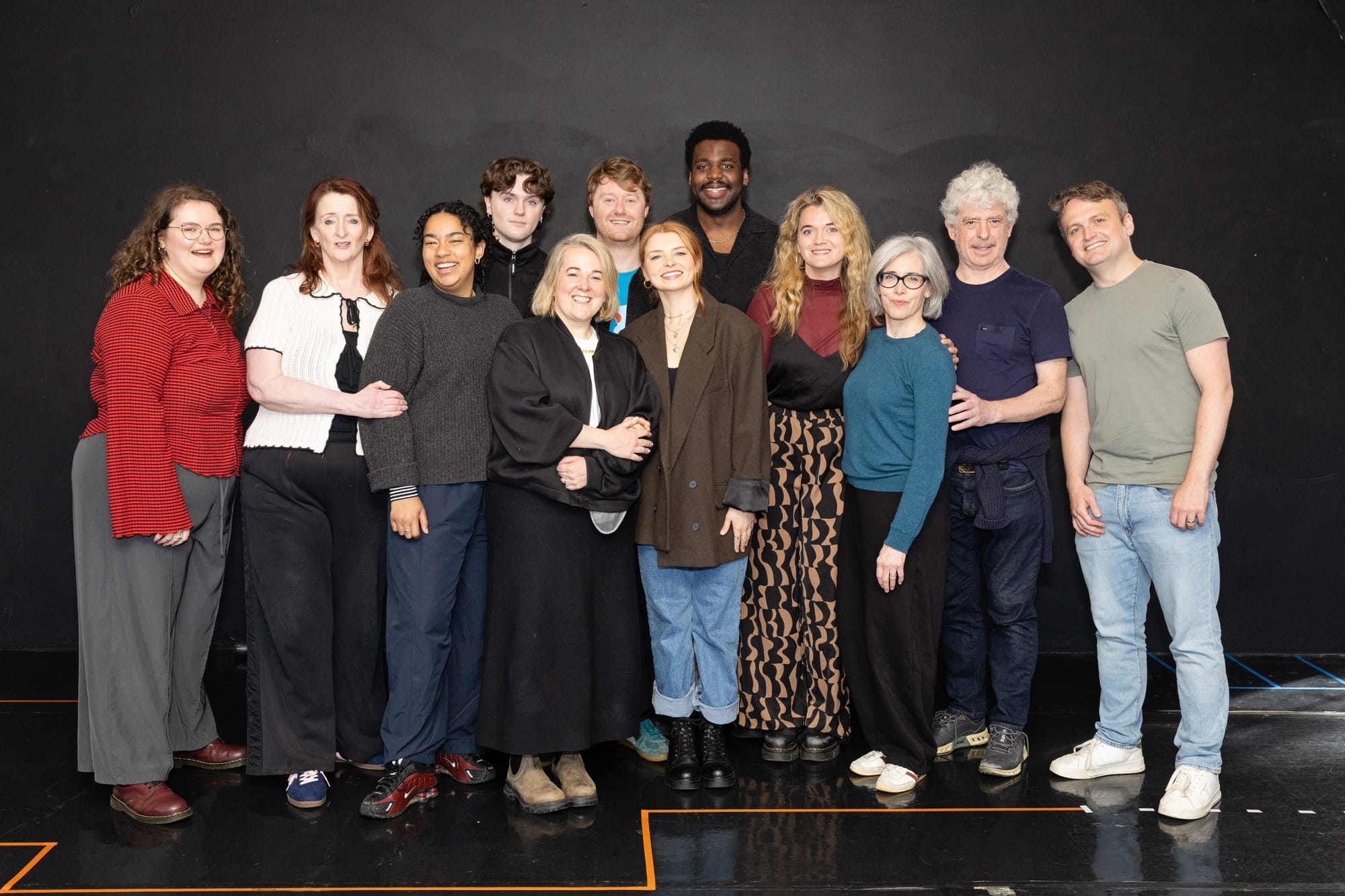
What’s lovely too, is we have a lot of young people, for some it might be their first time on the Abbey stage, their first professional job. That brings a lovely energy to the room. And because it is funny, that’s what’s making it very enjoyable to go to work.
What does Galway mean to you now? Where do you always head back to?
It’s still home, really. It doesn’t matter how far you move away. I’ve been in Dublin and other parts of the world for 29 years, but it is still home. My family is there. A lot of my friends have lived abroad and have all seemed to be gravitating back towards Galway in the last 10 or 15 years. I feel quite lucky I can have the best of both worlds.
What I miss most is the sea. That’s my first port of call when I get home. I’m a big sea swimmer, so I’ll swim in winter and all weather, on Ladies’ Beach or Black Rock in the winter. You’ll always meet somebody you know down there. That’s my little touchstone.
You’ve had an extraordinary career across theatre, film and TV. Is there a project that stands out as a real turning point?
It's a bit like Sophie's Choice! But I’m really proud of doing Medicine with Enda Walsh at the Galway Arts Festival. That was a big thing for me. And doing Every Brilliant Thing with Decadent and Galway Arts Festival, it’s a one-woman show, a monologue, but you use your audience as other characters. I felt very proud of both those pieces.
But as a turning point, there’s a show I developed with a friend of mine, she wrote it called I Heart Alice, Heart I. She had come to me saying there were no real plays for women and there was no role for her. It was this piece about two older lesbian women who are just invisible and they talk about their life. We did it for the Dublin Fringe, it got taken by the Dublin Theatre Festival and then we travelled the world for five years doing it.
It started to speak to me then as to how theatre can really affect people. For somebody to see themselves in a play, it’s just so important.
The Whiteheaded Boy runs on the Abbey Stage, Dublin, 3rd June–25th July. abbeytheatre.ie
Delivered straight to your inbox every month.