Meet the Couple Putting Galway Bay Oysters on the World Map
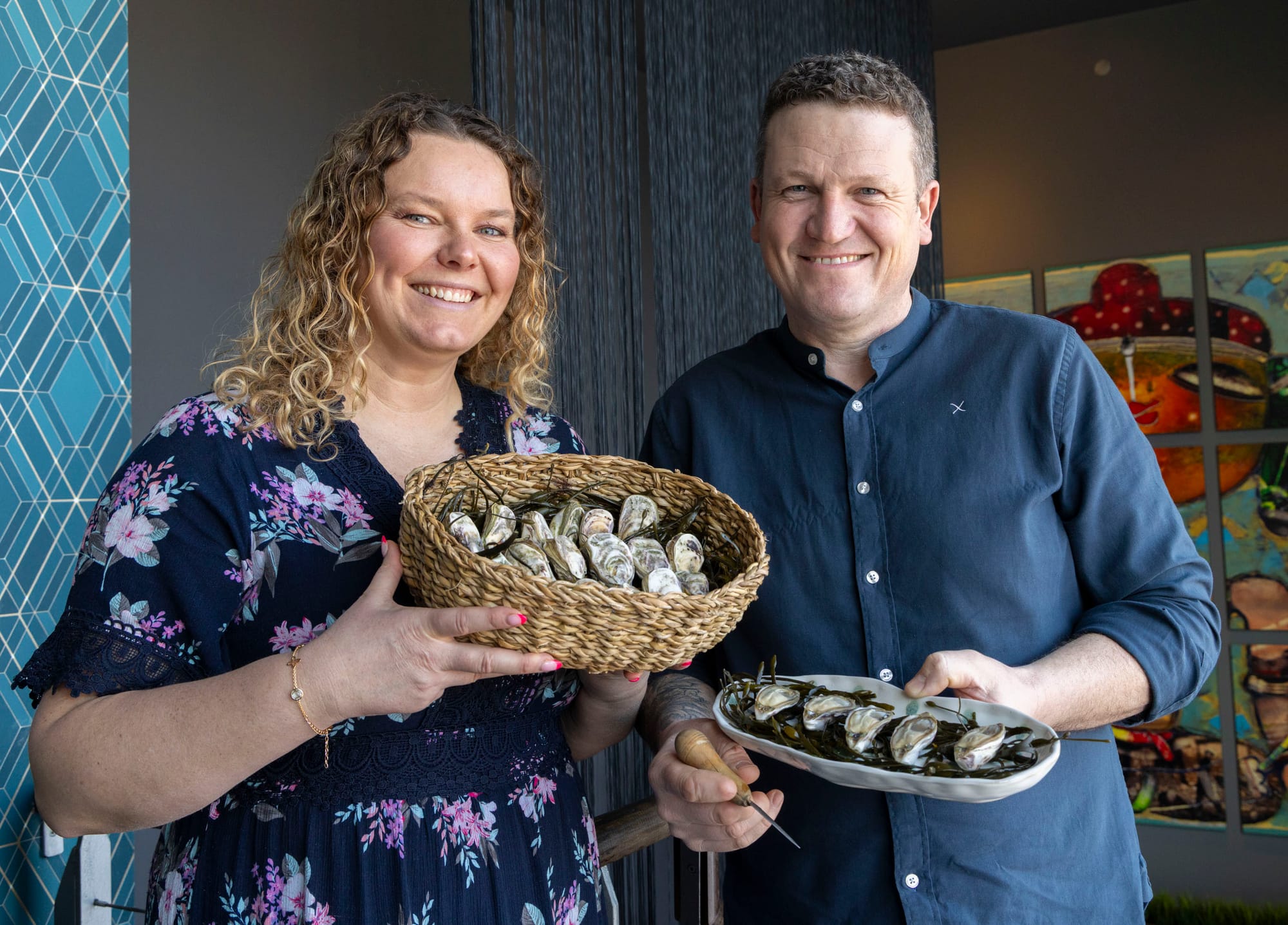
Proud champions of Irish seafood, Gary and Iwona Harty are trailblazers in the field of oyster aquaculture.
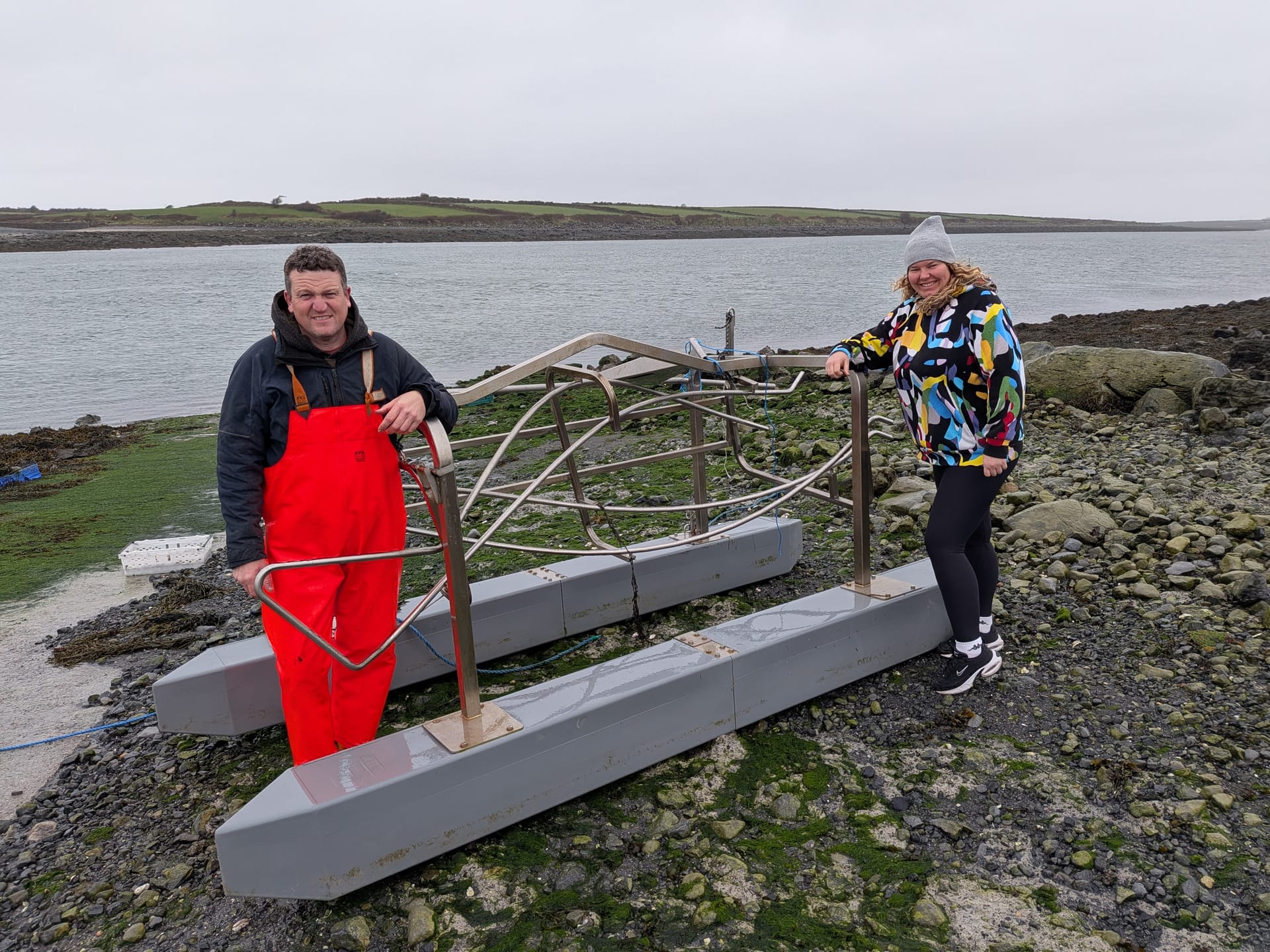
After years of trial and error, Gary introduced the FlipFarm method here, a patented, semi-automated, floating, longline oyster farming system that originates in New Zealand. Floating baskets are attached to baskets to grow, harden, and clean oysters efficiently—minimising the manual labour usually required to turn oyster baskets by hand and eliminating the need for manual cleaning or chemicals. Gary is currently working with Bord Iascaigh Mhara on trials to test the feasibility of extending this new farming method to other oyster farms around Ireland.
The early days
Gary: When I was young, my dad started oyster farming, so I have been around it most of my life. I became a carpenter by trade, but I always loved the sea and everything that comes with that life. In my thirties, I had a saw accident at work while making kitchens, and, as a result, I lost three fingers and was no longer able to continue in that line of work. That was when I decided to start Galway Gourmet Oysters and put my heart and soul into it.
Turning failure into success
Gary: It took years of hard work with plenty of heartbreak, including losing entire years of work. Oysters take on average two years to get to market size, so when you work every tide for two years, turning bags in all kinds of weather and then see it all disappear, it nearly makes you give up. At the same time, I am at my happiest when I am in the water doing what I love. I started researching different systems around the world, and that was when everything began to come together. Just last Tuesday, we received the Irish Food Writers’ Guild Award for Contribution to Irish Food, which proved to me that I was right to stay with my dream.
First oyster memories
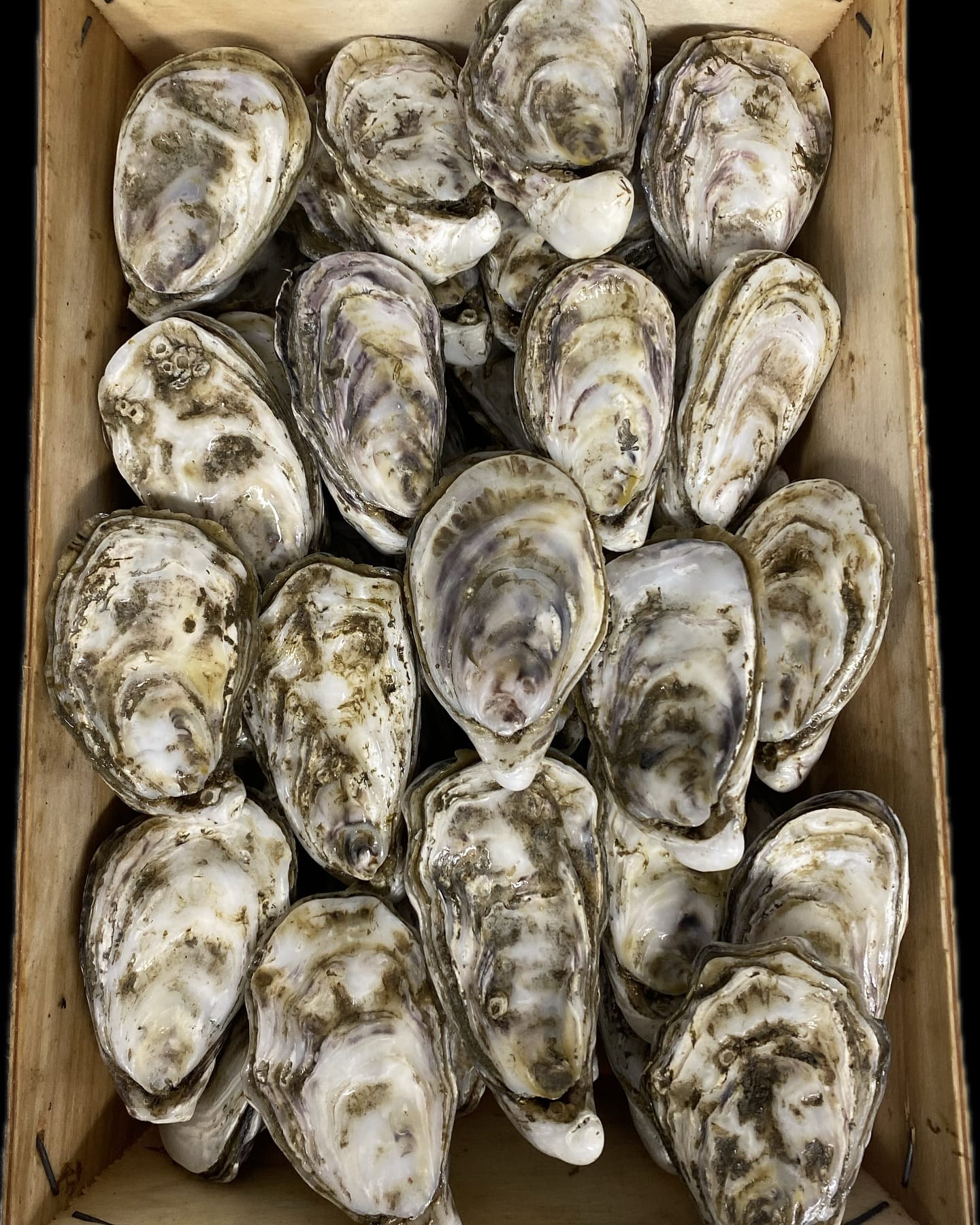
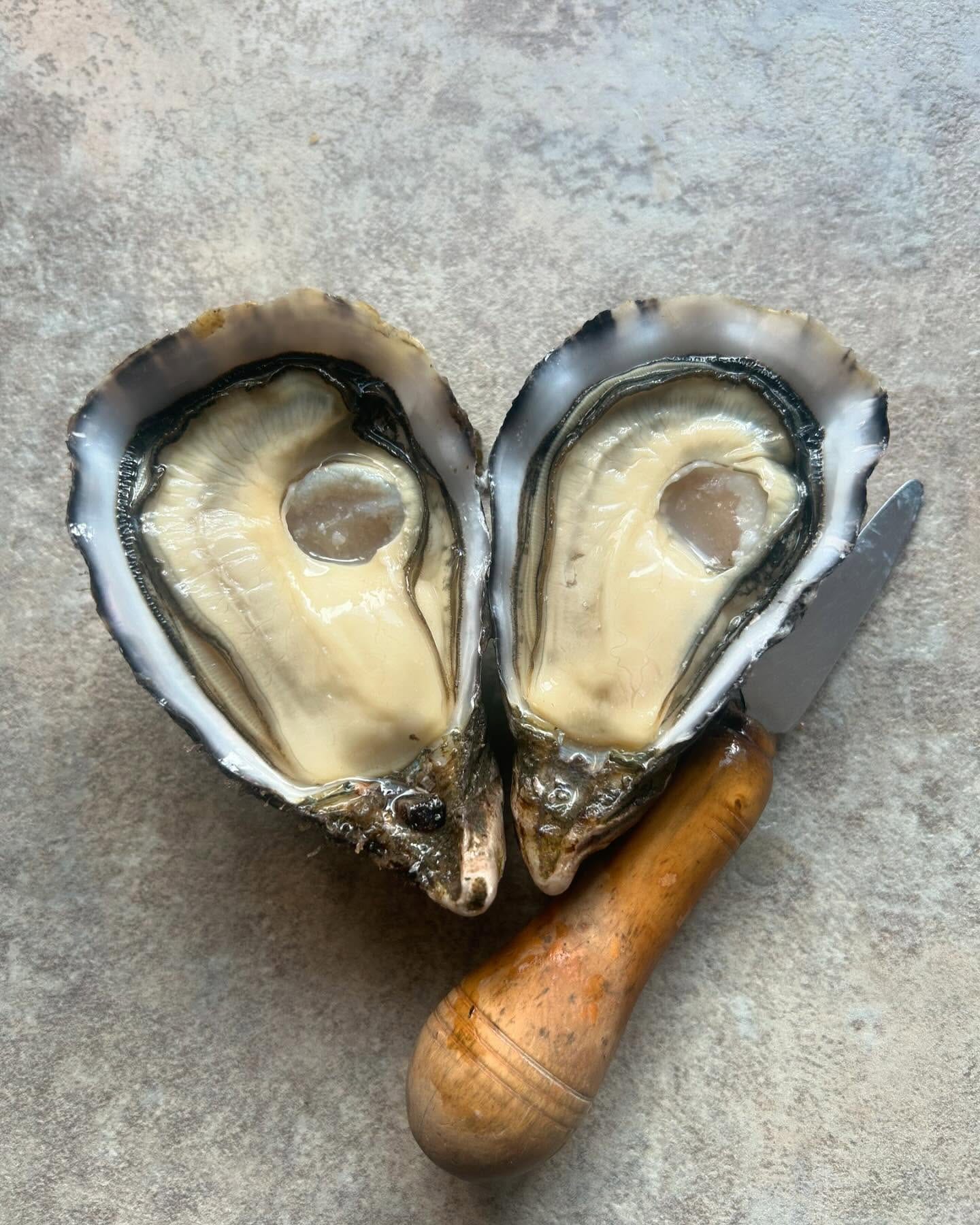
Gary: My first taste of an oyster was when I was around 12 years old. My dad took me dredging for native oysters in Mweeloon Bay in December. I clearly remember the metallic, zincy taste of that native oyster. I was not impressed with the flavour of my first oyster and it was a couple of years before I tried one again, probably in my late teens. My earliest food memory is of a shellfish that is a bycatch from dredging oysters, which we locally call cluasín, or queen scallop. As children, we were allowed to eat these regularly instead of the valuable native oysters. To this day, they are still my favourite shellfish.
Discovering a new passion
Gary: The real passion for oysters and their unique flavours came in my thirties. I am pleased to say that my children now have a great passion for oysters as well. I bring them to the shore, let them see and feel every step of the work, and help them understand that our oysters are about caring for the bay and not just about business. As for my wife, she had never tried an oyster until we met and I introduced her to them. It took a few years, but now she enjoys their very specific flavours.
The philosophy
Gary: My main philosophy is to prove that Galway, and Ireland in general, can produce a world‑class product from our amazing bays. In 2016, using the old bag‑and‑trestle system, 95% of our oysters died in two weeks. We restocked the farm and tried again, but the following year the exact same thing happened. Fortunately, at that time we had begun trials with an Australian‑designed basket system. In those baskets, during the same period of mass mortality, none of the oysters died. That convinced me there was a way to prevent those losses.
Finding a solution
Gary: In the following years, we carried out larger trials using Hexcyl adjustable long lines, which resulted in very low or even zero mortality. We then began increasing the volume produced on our farm, and Hexcyl Oyster Growing Systems asked us to become their agents for Ireland and the UK. Later, New Zealand company FlipFarm took the Hexcyl basket and evolved it by adding an axle and a large float, creating a whole new semi‑automated oyster farming system that is now used in many countries around the world. The system is based at the surface, which allows a small workforce to handle a large volume of oysters, makes it easier to hire staff, and enables more regular working hours.
What sets them apart
Gary: On our farm, the combination of these two systems is proving very successful in producing very high‑quality oysters that can easily find their way onto world‑class restaurant menus. Both systems cleverly use the waves to do the hard work. Movement is key to growing a quality oyster. The species we grow, gigas, thrives in that movement and, as a result, shows increased meat‑to‑shell ratio and a very smooth shell. Galway Bay is special because of its mix of clean Atlantic water and a long cultural history of oyster eating. The balance of salinity and nutrients creates oysters with a gentle sweetness that chefs and customers recognise as a distinct Galway characteristic.
Hard work pays off
Gary: A typical day starts with checking tides and weather, then answering calls, emails, and messages. I organise the staff, plan the day’s tasks, and check stock. A core daily job for any oyster farmer is checking that density levels are correct in each basket. Our oysters arrive on the farm at 3mm in size. We put 10,000 oysters in each basket for a number of weeks until they reach about 8mm. We then reduce the density to 900 pieces per basket, then to 300, and after a few weeks, down to 100. It takes around 18 months for that process to produce a market‑size oyster. Most of our day is spent on or around boats.
Life on the water
Gary: I love working with nature and growing a product that benefits the environment. Having spent most of my life in a dusty workshop, I realised how much I hated that and how much I love nature and anything to do with the sea.
Best way to enjoy an oyster
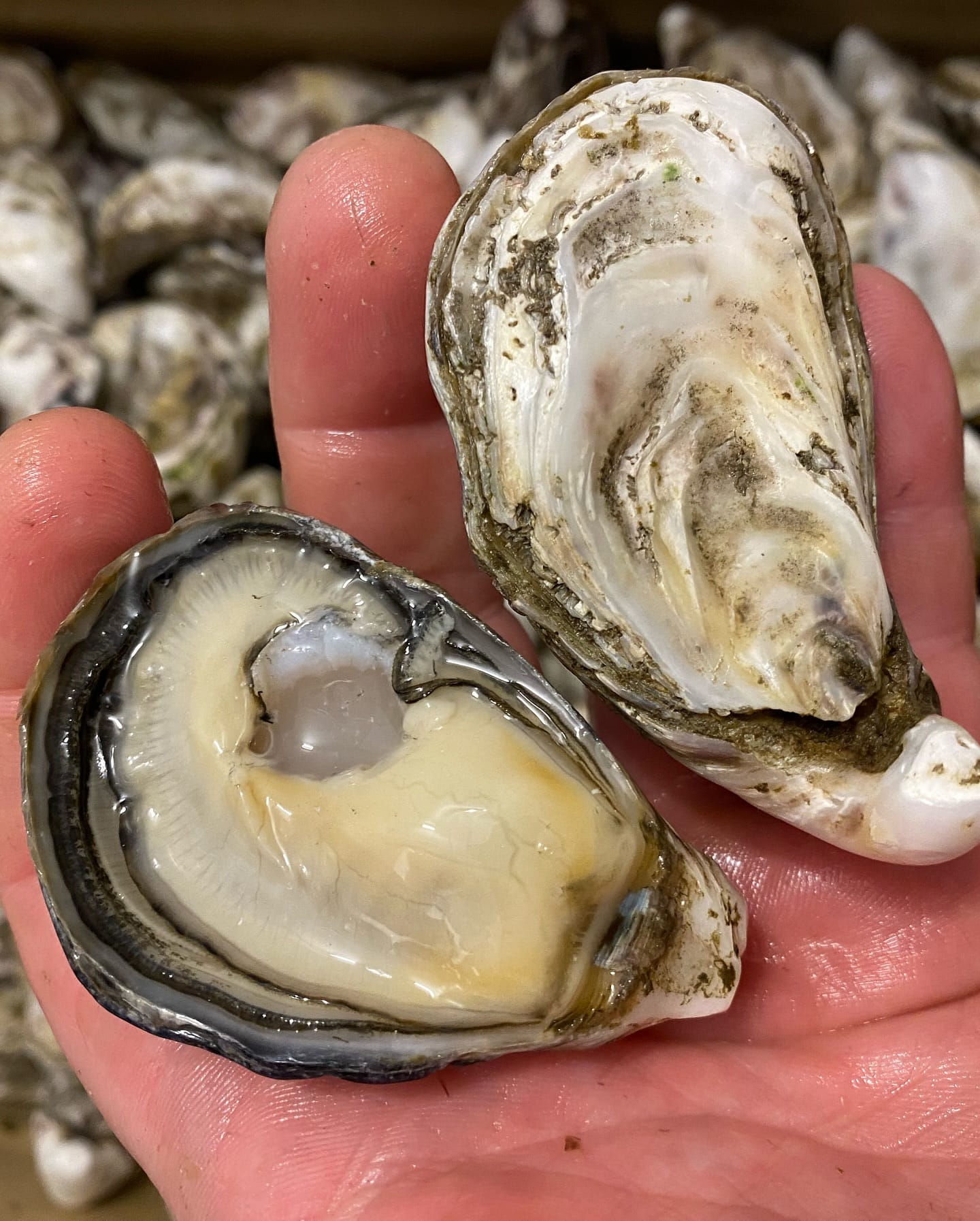
Gary: I always advocate eating a fresh oyster with nothing added, so you can enjoy its simplicity and chew it fully to appreciate all the flavours. Iwona’s favourite is baked oysters with garlic butter and breadcrumbs on top, which is always a must for Christmas Eve in our house.
Feeding the masses
Iwona: With five kids, food does not last long in our house. We always have a pantry filled with passata, different types of pasta, rice, nuts, seeds, flour, nut butter, jam, and crackers. We love cooking and make our sauces and meals from scratch. There are always plenty of spices and the kids’ favourite noodles. The kids make smoothies daily, so we always keep the fridge full of fruit and vegetables and good‑quality Greek yoghurt. We also keep plenty of frozen fruit for convenience.
A must-have gadget
Iwona: The Ninja blender. I use it daily for soups, smoothies, pastes, and sauces. And the coffee machine, because Gary has several coffees a day.
Tending the garden
Iwona: We have a couple of raised beds in the garden where we grow our own herbs, lettuce, carrots, courgettes, sugar snaps (the kids’ and my favourites), onions, and more. We are lucky to have the space, and it gives us the base for pasta sauces, smoothies, and soups in no time.
Favourite Galway seafood restaurant
Gary: We are both big foodies and love trying new places. Our latest outing was to Fawn in Oranmore, where I had the turbot, and Iwona enjoyed scallops and lobster. Both dishes were outstanding.
Best cookbook
Iwona: Gary doesn’t really know what a cookbook is! We have plenty of cookbooks in the house, but we let the kids pick recipes, and then we try them all. At the moment, we are enjoying Japanese and Thai cuisine the most and are still working on perfecting our ramen.
Gary: When spring and summer come, we love having family barbecues, throwing turbot, mackerel, or any fish really on the grill, making salads, and sitting in the garden enjoying each other’s company… well, for most of the time anyway.
In praise of the oyster
Gary: Oyster production has a very low carbon footprint, and oysters can reproduce in their millions. They are a true superfood: high in protein, low in calories, and, of course, they are an aphrodisiac.
Delivered straight to your inbox every month.